
1
Design and Prototyping
LED lighting manufacturing begins with the design and prototyping phase, where engineers and designers work together to develop the product. This includes choosing the right type of LED chips, housing materials, and optical systems. Using advanced software, prototypes are created to test the design's functionality, ensuring energy efficiency and high-quality light output before mass production begins.
2
Chip and Driver Unit
One of the key components in LED lighting is the LED chip, which is produced through a process called epitaxy. LED chip manufacturing units grow semiconductor crystals on a substrate, followed by precise cutting into small chips. These chips are then treated to emit specific colors of light. Quality control is critical at this stage to ensure consistent brightness, color accuracy, and long life spans.
3
Quality Control and Testing
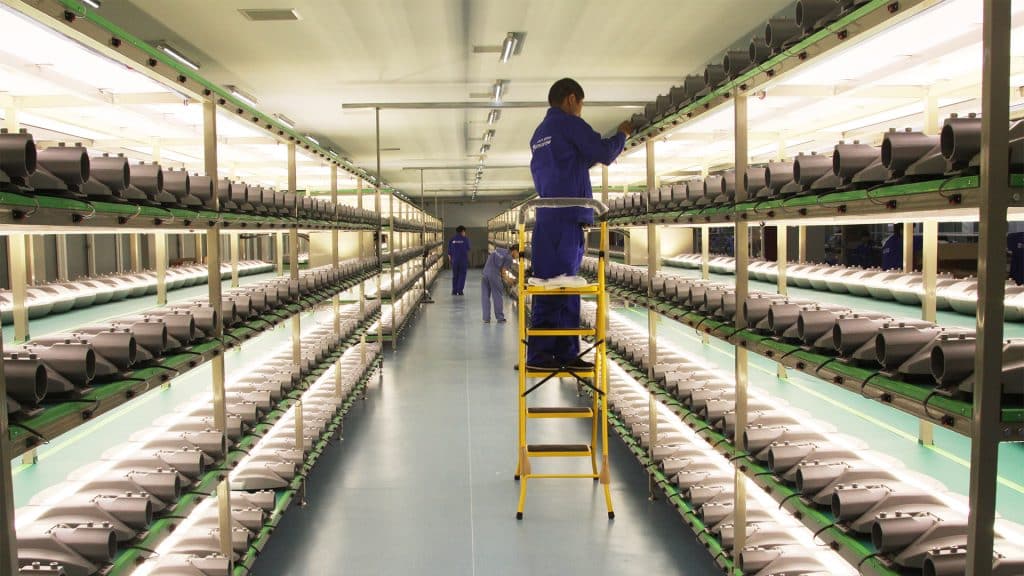
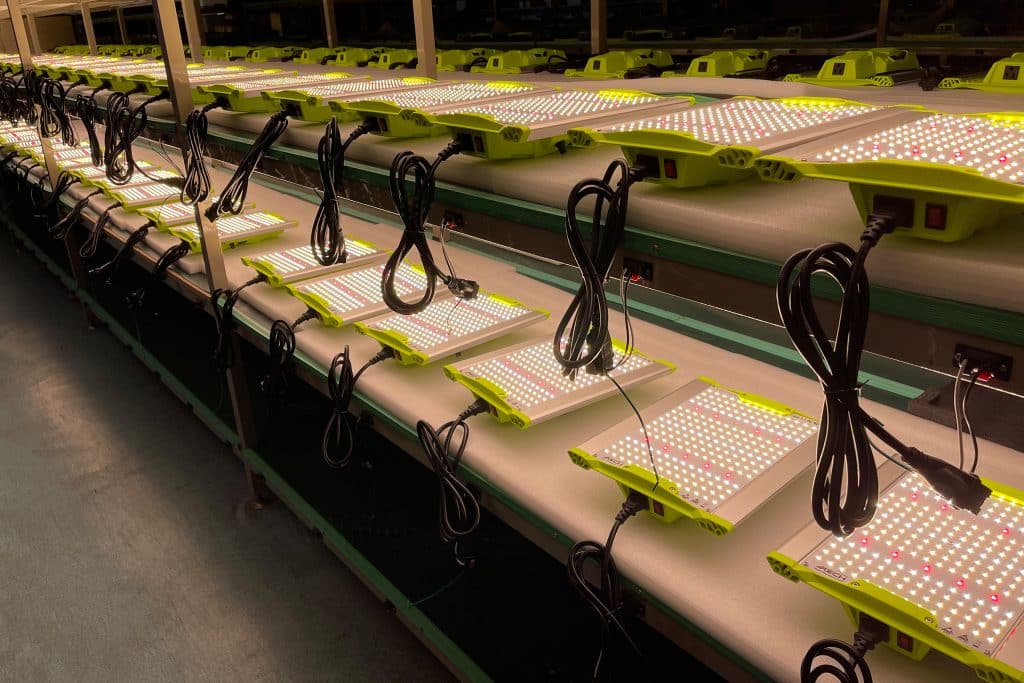
Before the LED products are packaged and shipped, they undergo rigorous quality control tests. In dedicated testing units, lights are subjected to performance checks, including brightness, color temperature, energy consumption, and lifespan testing. Environmental stress tests simulate extreme conditions to ensure the durability and reliability of the LED lighting units, meeting industry standards and certifications.
4
Lens and Optical Components
The optical components, including lenses or diffusers, are manufactured in separate units. These components help to control the beam angle, light distribution, and overall quality of the light emitted by LEDs. The materials used are carefully selected for their transparency and resistance to discoloration over time, ensuring long-term performance.
5
Assembly Line
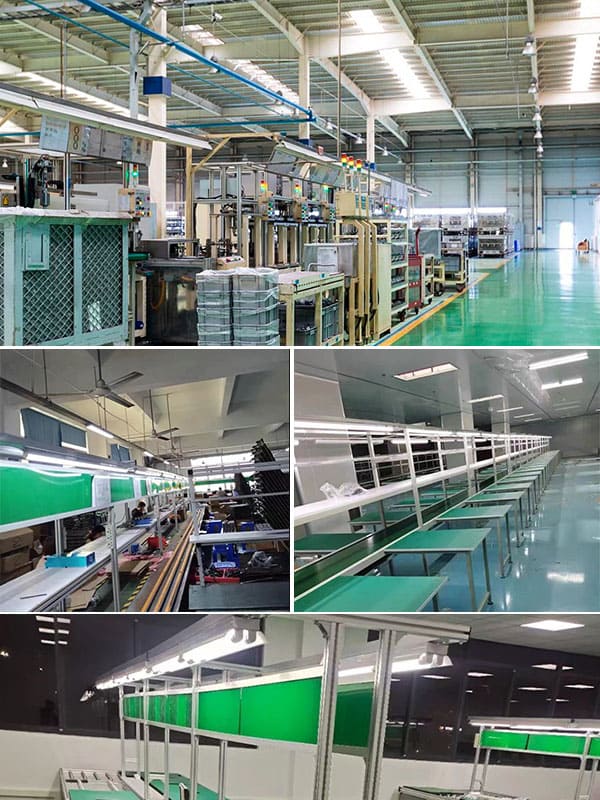
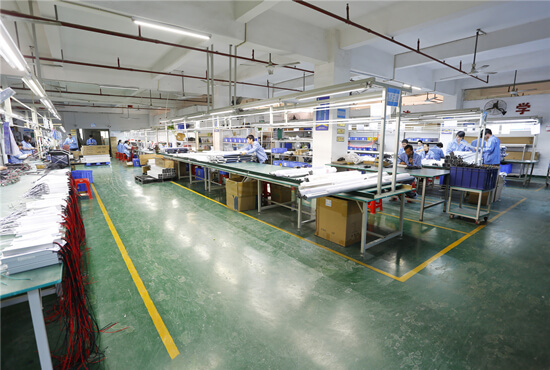
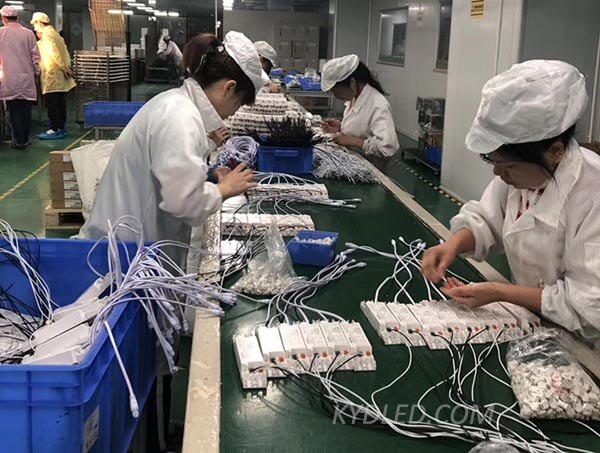
Once the LED chips are produced, they are assembled into circuit boards at specialized manufacturing lines. Here, automatic machines place the LED chips, resistors, and other necessary components onto printed circuit boards (PCBs). Soldering ensures the components are securely attached, while high-tech testing equipment verifies the connections and functionality of each assembled unit.
Heat Management and Housing
Proper heat dissipation is essential for LED lighting longevity. Manufacturing units for LED lights often include sections where heat sinks are fabricated and attached to the light housing. The housing units are designed to be both aesthetically pleasing and functional in heat management, made from materials such as aluminum to enhance thermal conductivity.